
7 Questions to Ask Before Choosing a Compounding Pharmacy Partner

A pharmacy relationship affects provider workflow, patient experience, and operational clarity. Use these seven questions to evaluate fit before adding a compounding pharmacy to your network.
A pharmacy relationship affects more than prescription fulfillment. Communication gaps, missing information, unclear handoffs, and inconsistent expectations can create extra work for providers and frustration for patients.
Price matters, but it should be only one part of the evaluation. For telehealth organizations, clinics, and prescribing providers, the better question is whether the pharmacy relationship can support safe, clear, and repeatable workflows.
The following questions can help guide a discovery call with a potential compounding pharmacy partner. They are written as evaluation criteria, not as claims about any specific pharmacy’s services or capabilities.

1. Is the pharmacy authorized to serve patients in the locations your practice needs?
Location coverage is one of the first questions to ask because authorization requirements can vary by state and by pharmacy activity. A mismatch can disrupt prescribing workflows, delay patient care, or require last-minute routing changes.
This question is especially important for telehealth groups that see patients across multiple states. Before discussing volume or process, clarify whether the pharmacy can serve the patient locations involved in your current model and any planned expansion.
Ask the pharmacy to clarify:
Which patient locations it can serve for the type of prescriptions being discussed
How it verifies whether it can dispense or ship to a patient location
What happens when a prescription is received for a location it cannot serve
Whether the pharmacy expects the provider to screen location eligibility before sending prescriptions
The goal is to avoid ambiguity. Both sides should know when a prescription is appropriate to send and what happens if a patient’s location falls outside the pharmacy’s authorized service area.
2. What documentation can it provide about its sterile compounding quality processes?
When evaluating a sterile compounding pharmacy, ask how the pharmacy documents its quality processes. Documentation does not replace judgment, but it gives providers a way to understand how the pharmacy approaches consistency, cleanliness, review, and accountability.
This conversation should stay practical. Providers do not need to audit every internal process during an introductory call. They do need to know what documentation is available for review, who can explain it, and how quality-related questions are handled.
Ask what the pharmacy can provide or explain, such as:
General quality process documentation
Applicable policies related to sterile compounding
Environmental monitoring or process review practices, where appropriate
Staff training documentation categories
How deviations, complaints, or quality concerns are documented and reviewed
Avoid relying only on broad claims like “high quality” or “fully compliant.” Ask for examples of the types of documentation the pharmacy can share during evaluation or onboarding.
3. How are prescription questions and missing information resolved?
Prescription clarification is one of the most common workflow pressure points. Missing information, unclear directions, patient details, formulation questions, or authorization issues can slow the process if nobody knows who owns the next step.
The best time to define these handoffs is before prescribing begins. If a pharmacy has a question, does it contact the prescriber, a designated clinic inbox, an operations team, or the patient? If the clinic needs to revise information, how should that be submitted?
Ask the pharmacy to clarify:
How it flags prescriptions that require clarification
Which communication channels it uses for prescription questions
Who should respond on the provider side
What information is commonly missing or incomplete
How unresolved prescriptions are tracked
Whether the pharmacy closes the loop after a correction is received
This is not just an administrative detail. Clear clarification workflows reduce duplicate messages and help patients understand why a prescription may not move forward immediately.

4. How are medication-specific packaging, storage, and shipping requirements communicated?
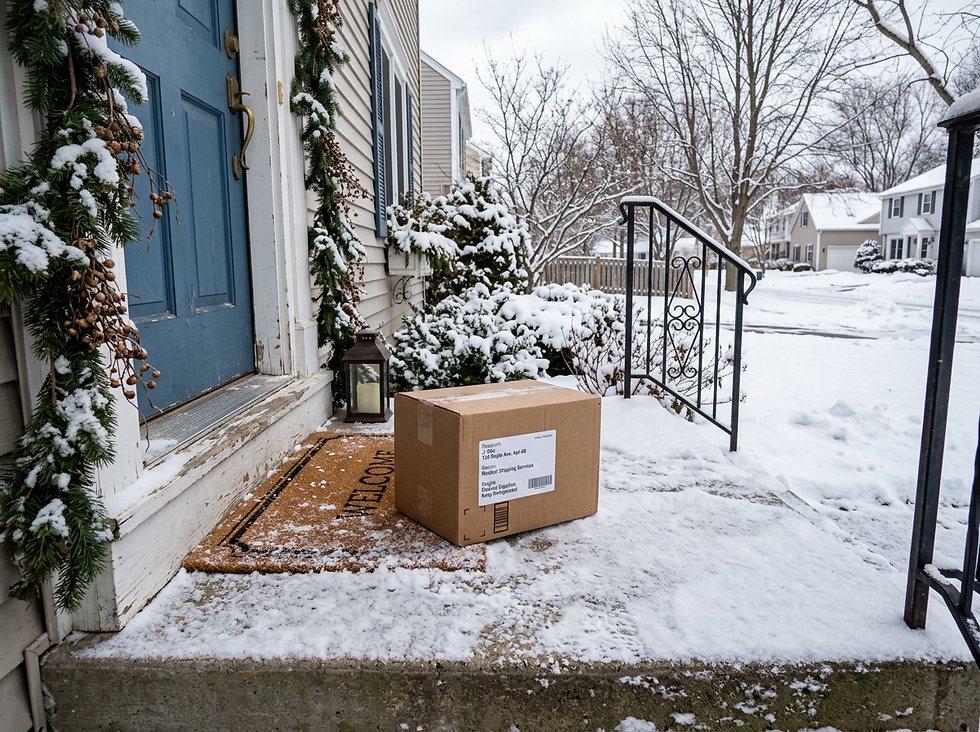
Different compounded preparations may have different handling needs. Packaging, storage, beyond-use dating, temperature considerations, and shipping timelines can affect patient instructions and support calls.
Providers should understand how those requirements are communicated before patients start asking questions. The issue is not only whether information exists, but whether the right people see it at the right time.
Ask the pharmacy:
What packaging or storage information is shared with the provider
What information is included for the patient
How temperature-sensitive or time-sensitive shipments are handled
What patients are told to do when a package is delayed, damaged, or exposed to unexpected conditions
Who answers questions about storage after delivery
This conversation helps clinics prepare patient-facing scripts, portal messages, or internal notes. It also reduces the risk of conflicting instructions between the clinic and pharmacy.
5. Who handles provider questions and patient support?
A pharmacy partner for telehealth should have a clear support model. Providers need to know where to send clinical or prescription-related questions. Patients need to know where to ask fulfillment, delivery, payment, or storage questions.
Without defined support lanes, patients may call the clinic about pharmacy issues, while providers may chase answers through the wrong channel. That creates extra work for everyone.
Ask the pharmacy to define:
Which questions should go to the pharmacy
Which questions should stay with the provider
How patients contact support
How providers contact support
Whether there are different contacts for onboarding, prescription questions, and patient service
How urgent issues are identified and routed
It is also useful to ask for sample support scenarios. For example, what happens if a patient says they never received a shipment? What happens if the provider has a formulation question? What happens if the patient’s address changes after the prescription is submitted?
Clear answers help both organizations set expectations from the start.
6. What does onboarding involve, and how are workflow responsibilities defined?
Onboarding should do more than exchange forms. It should define how work will move between the provider organization and the pharmacy.
This is where many relationships succeed or struggle. If responsibilities are vague, clinic staff can inherit unexpected tasks, such as fielding shipping questions, correcting prescription data, or explaining pharmacy policies they did not create.
Ask what onboarding includes:
Required provider or clinic information
Prescription submission process
Accepted communication channels
Patient information requirements
Billing or payment workflow, if applicable
Standard escalation steps
Points of contact on both sides
Training or reference materials for clinic staff
A useful onboarding process should make responsibilities visible. Providers should leave knowing what they must do, what the pharmacy will do, and what the patient will need to do.

7. How will both parties evaluate service performance as prescription volume grows?
A pharmacy relationship may feel simple at low volume. As prescription volume grows, small process gaps can become larger operational problems.
Before starting, discuss how both parties will review performance. This does not require complex reporting. It does require agreement on what matters and how concerns will be addressed.
Ask the pharmacy how it approaches:
Prescription clarification trends
Patient support issues
Shipping or delivery concerns
Communication response expectations
Recurring missing information
Process changes as volume increases
Scheduled check-ins or review conversations
Providers should also define their own internal measures. For example, clinic leaders may track how often staff must intervene on pharmacy issues, how often patients ask fulfillment questions, or where prescription errors tend to occur.
The goal is shared visibility. A good evaluation process helps both sides identify friction early and adjust before it affects more patients.
A practical checklist for your pharmacy discovery call
Use this checklist during an introductory conversation with any potential compounding pharmacy partner.
Confirm patient locations the pharmacy can serve
Ask what location screening responsibility belongs to the provider
Request an overview of sterile compounding quality documentation
Clarify how prescription questions are sent and resolved
Identify common missing prescription details
Ask how packaging, storage, and shipping instructions are communicated
Define provider support contacts and patient support contacts
Review onboarding steps and required materials
Assign workflow responsibilities on both sides
Discuss how service issues will be reviewed as volume grows
Ask what information the pharmacy needs to determine fit
This content is for general informational purposes only and is not legal, regulatory, or medical advice. Providers should evaluate pharmacy relationships based on their own clinical, operational, and compliance needs.
FAQ
What should a provider ask before sending the first prescription?
Ask whether the pharmacy can serve the patient’s location, what prescription information is required, how questions are resolved, and who supports the patient after the prescription is submitted.
Should price be part of the pharmacy evaluation?
Yes. Price is relevant, but it should be reviewed alongside authorization, quality documentation, communication, onboarding, shipping requirements, and support expectations.
Why does onboarding matter in a pharmacy relationship?
Onboarding defines responsibilities before volume begins. It helps prevent confusion about who contacts the patient, who corrects missing information, and how issues are escalated.
Can a compounding pharmacy answer patient questions directly?
That depends on the pharmacy’s support model and the type of question. Providers should clarify which patient questions go to the pharmacy and which should stay with the prescribing practice.

Take the next step
Choosing a pharmacy relationship is a workflow decision, not just a fulfillment decision. The right discovery questions can help identify gaps before they create work for providers or confusion for patients.
Exploring a pharmacy relationship for your clinic or telehealth organization? Connect with Pure Path to discuss your patient locations, prescribing workflow, and service needs.


Comments